

FEEDING THERAPY

Caregiver-Assisted Responsive Approach

AN ONLINE PARENTS TRAINING PROGRAM

Making Mealtimes More Positive and Meaningful

Feeding difficulties can affect nutrition, growth, family routines, social participation, and overall well-being. Mealtimes that should be enjoyable often become stressful for both children and caregivers when feeding challenges are present.

Feeding Therapy focuses on helping children develop positive and functional feeding experiences while supporting caregivers throughout the intervention process.

Customized Multi-Therapy Approach

Every child has unique developmental needs, and SPEAKAMOM offers flexible therapy options tailored to their specific challenges. Parents can choose one or more therapies based on their child’s requirements:

✔ Speech Therapy Training – Learn practical techniques to improve speech clarity, language development, and communication skills.

✔ Occupational Therapy Training – Get hands-on training for motor skills, sensory integration, and daily living activities.

✔ Behavior Therapy Training – Understand behavior management strategies, emotional regulation techniques, and social skill development.

✔ Special Education Support – Discover structured teaching methods to enhance cognitive, academic, and adaptive learning skills.

What is Feeding Therapy?

Feeding Therapy focuses on understanding and addressing factors that may affect eating, food acceptance, oral skills, mealtime participation, and feeding development.

Intervention considers the child’s developmental profile, sensory preferences, family routines, and feeding history to create meaningful and individualized support plans.

Signs & Symptoms

  • Limited food variety
  • Picky eating
  • Food refusal
  • Difficulty trying new foods
  • Strong reactions to food textures
  • Mealtime stress and frustration
  • Prolonged mealtimes
  • Difficulty transitioning between foods
  • Dependence on specific foods
  • Challenges with self-feeding skills

How We Work

1. Free Screening Test

The process begins with a screening that helps identify potential feeding concerns and determine whether a detailed assessment may be beneficial.

2.Comprehensive Clinical Assessment

A detailed assessment explores feeding history, mealtime routines, food preferences, sensory responses, developmental factors, and family concerns.

3.Personalized Goal-Based Intervention Plan

Individualized goals are developed according to the child’s feeding profile, family priorities, and functional needs.

4.Caregiver Training & Coaching

Caregivers receive practical feeding strategies that can be implemented during everyday meals and family routines.

5.Progress Monitoring

Progress is reviewed regularly and recommendations are adjusted according to changing needs.

6.Reassessment

Periodic reassessment helps evaluate progress and guide future intervention planning.

What Results Can You Expect?

✔ Improved communication at home and in learning environments

✔ Stronger caregiver-child bonding and emotional connection

✔ Faster achievement of speech and language milestones

✔ Reduced frustration for both child and caregiver

✔ Lasting strategies you can use at every stage of development


What Results Can You Expect?

Better communication at home and in school settings, helping your child express themselves more clearly.
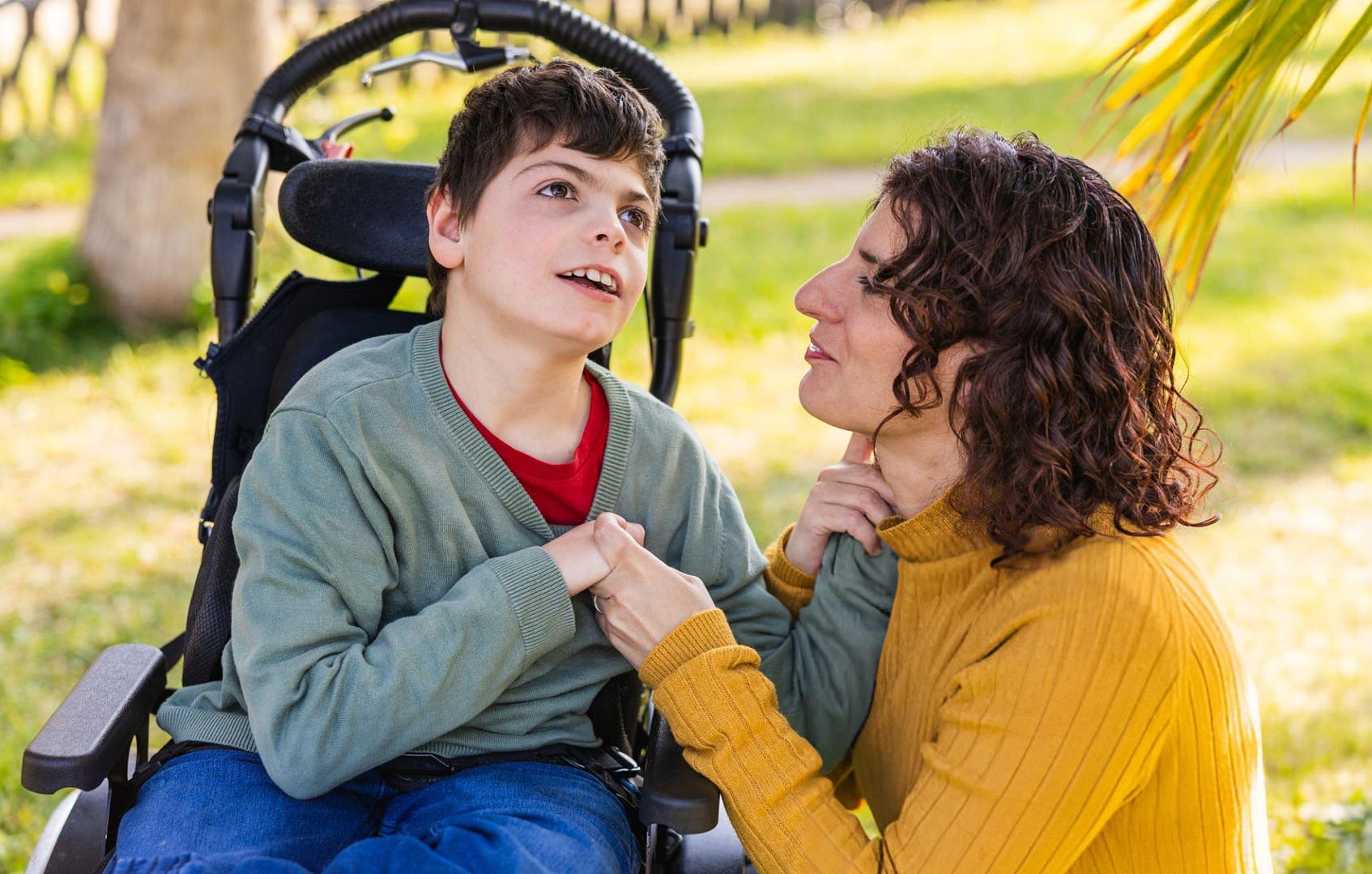
A deeper emotional connection and stronger bond between you and your child through shared progress.

Quicker achievement of important speech and language milestones with consistent, guided support.

Less frustration for both your child and you, as communication becomes easier and more effective.

Practical strategies that grow with your child and support their development at every stage.

Book an Appointment & Start Your Journey Today!

Let’s work together to help your child find their voice. Book your session now and take the first step toward confident communication!